

BPC-157 is a synthetic peptide, a short chain of amino acids, that is sold strictly as an unapproved research compound, not as a medicine or supplement. If you’re weighing a purchase, you can look at the example listing at https://kylopeptides.com/product/bpc-157/ to see how one supplier presents it, and you probably want straight answers on a handful of things: what it is, its legal standing, what the studies do and don’t show, how to spot a trustworthy supplier, and how to store it properly. This guide covers all of that in plain language, one real question at a time.
We’ll be upfront about the limits. Nothing here is a health claim or a product verdict, and the research picture is still early. What you’ll get instead is a clear process for asking better questions, reading a lab report, and judging a source before you spend anything. That’s the same mindset behind healthy, sustainable choices in any area of life: slow down, check the facts, and buy with your eyes open.
Many people in research and wellness communities start with the same worries, and those worries shaped the seven questions below. Test any listing against the checklist as you read.
How We Chose These Seven Questions and What This Article Can (and Can’t) Tell You
We built this list the way a good community workshop agenda gets built: by listening to what people keep asking. The seven questions below cover the themes research buyers raise again and again, namely what the compound actually is, whether it’s legal, what the evidence shows, how to judge a supplier and a lab report, and how to store it once it arrives. If a question comes up in nearly every conversation, it earned a spot.
Here’s what this article can do. It can give you plain-language background and a checklist for asking sharper questions, the same careful-consumer habits you’d bring to comparing solar installers.
Here’s what it can’t do. It can’t tell you what’s safe or right for any individual, and it can’t promise outcomes. BPC-157 is not approved by major regulators for human use, and much of what’s published comes from early lab and animal work, so there are real unknowns. We’ve also kept regulatory specifics general on purpose. Rules differ between countries and change over time, so we won’t claim to know the latest status. For that, go straight to your regulator’s official pages.
1. What Is BPC-157, in Plain Language?
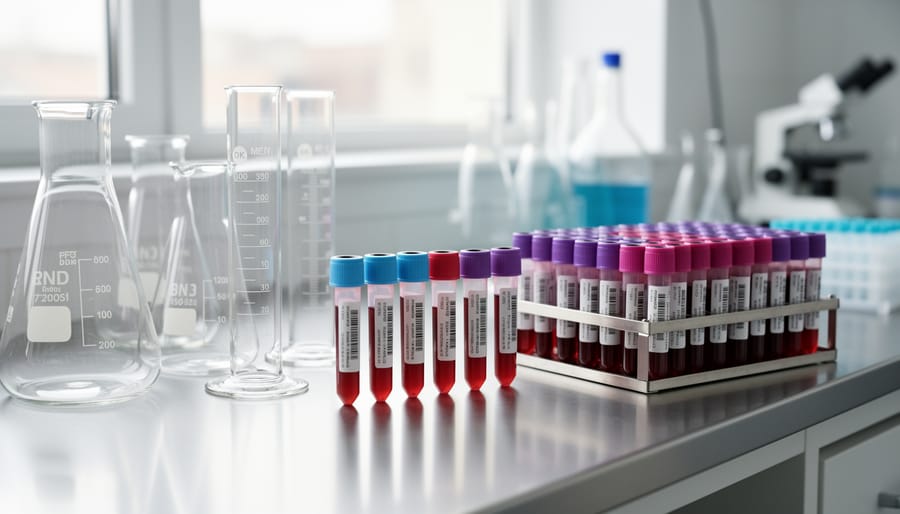
BPC-157 is a synthetic peptide. Let’s unpack those two words, because they carry most of the meaning.
A peptide is a short chain of amino acids, the same small building blocks that make up proteins. Think of a protein as a long necklace and a peptide as a short strand of that necklace. “Synthetic” simply means it’s made in a laboratory rather than extracted from a living source.
BPC-157 is a fragment of a larger protein that occurs naturally in the stomach, which is where the “BPC” (short for “body protection compound”) comes from. The “157” is a label tied to the original naming of the compound. Researchers made the short version because a small, stable piece is easier to produce and study than the full protein.
Here’s the part worth slowing down for. Nearly all the published work on BPC-157 is preclinical, meaning it was done in cells or in animals, not in people. That’s a normal first step for any new compound, and it’s how plenty of useful discoveries begin. But it also sets a limit on what we can responsibly conclude. Something that behaves one way in a lab dish or a rodent doesn’t automatically behave the same way in humans.
So the honest, plain-language summary is this: BPC-157 is an interesting lab-made peptide with a lot of early research behind it, and a lot of open questions still ahead.
2. Is BPC-157 Legal and Approved?
BPC-157 is generally not an approved drug. Major regulators have not cleared it as a medicine for people, and you will typically see it sold “for laboratory research use only” or “for in-vitro use.” That label matters. It tells you the seller is not offering it as a treatment, and it tells you what the product is meant to be used for.
Rules also vary by country, and they can change. A compound that is handled one way in one place may be treated differently somewhere else, and policies get updated over time. So any claim you read today, including this one, is a starting point rather than the final word.
That’s why the smartest move is to check the source directly. Look at your national or regional medicines regulator’s website for current guidance on unapproved substances. If you compete in organized sports, check your sport’s anti-doping authority, since some peptides are listed as prohibited. Don’t rely on a seller’s reassurance that something is “legal” or “fully compliant.” Sellers have a reason to say that, and the claim is easy to make and hard to verify.
Treat it like any big purchase where the details matter. A simple due diligence checklist approach works well here: confirm the rules yourself, write down what you find, and keep it handy. Whether you’re evaluating a solar installer or a research compound, the habit of checking official sources pays off.
3. What Does the Research Actually Show?
Think about how a solar panel is sold. A lab result might show a cell converting a record share of sunlight into power, but that doesn’t tell you how a rooftop system performs after ten winters. BPC-157 research works the same way: promising in controlled conditions, not yet proven in everyday human use.
Here’s what we can say fairly. Most of the published work on BPC-157 comes from cell and animal studies, mostly in rodents. Those studies are why the peptide gets so much attention. Researchers have found them interesting enough to keep investigating, and that curiosity is real and worth acknowledging.
Here’s what we can’t say. Rigorous human clinical trials, the large, carefully controlled studies that regulators rely on, are limited. A result in a lab dish or a rat doesn’t automatically carry over to people, because bodies differ in ways that matter. Many ideas that look great early on fade when tested properly in humans.
So when a seller or a forum post sounds certain, pause. Words like “proven” or “guaranteed” go beyond what the evidence supports. Early research is a reason to be curious, not a reason to be convinced.
A good habit is to check where a claim comes from. Is it a single small study, a seller’s marketing page, or a broad body of well-designed research? Asking that one question puts you ahead of most buyers.
4. How Can a Buyer Tell If a Supplier Is Trustworthy?
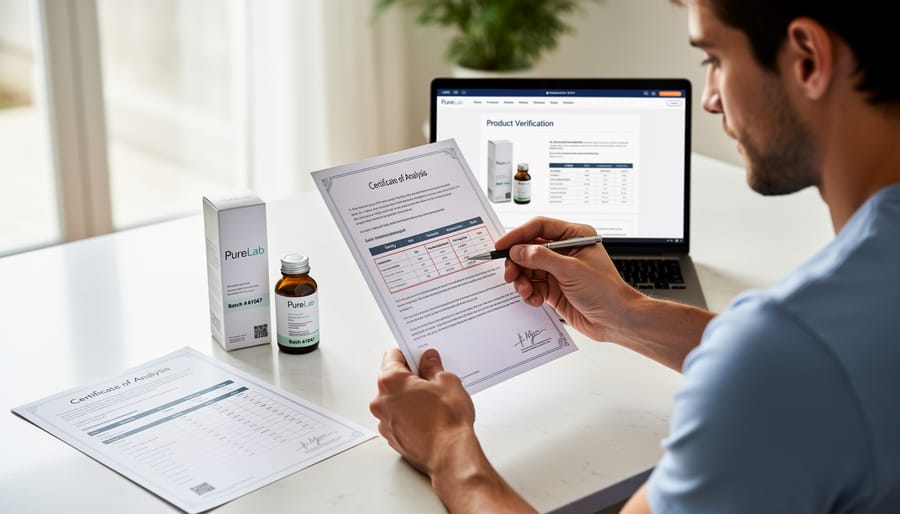
Vetting a peptide supplier works a lot like vetting a community solar provider or installer. You wouldn’t sign a contract on a glossy brochure alone, and you shouldn’t order a research compound on a slick website alone. Look for proof you can check yourself.
Here’s a checklist worth keeping handy:
- Independent third-party lab testing, not just the seller’s own in-house numbers.
- A certificate of analysis that matches the specific batch number on your vial.
- Transparent company details, including a real address, email, and phone contact.
- Clear research-use-only labeling on the product and the website.
- No medical or treatment claims anywhere in the marketing.
- Plain shipping and return policies you can read before you pay.
Realistic claims matter as much as paperwork. A supplier who promises miracle outcomes is the peptide equivalent of an installer guaranteeing you’ll never see an electric bill again. Trustworthy sellers stay modest, answer questions directly, and respond to a pre-purchase email within a reasonable time. Slow or evasive replies before payment rarely improve afterward.
A story from our community shows why this pays off. One member told us she nearly ordered from the cheapest listing she found, then paused and asked for the batch-specific report. The number on the report didn’t match the product page, so she walked away. Her takeaway was simple: the habit of asking for documentation, which she’d first learned while comparing solar quotes, protected her wallet.
Good sellers also think about the practical side. Ask about packaging and cold-chain shipping, since how storage matters starts before the package ever reaches your door. Ordering only what your project needs is another easy way to reduce waste and shipping impact.
5. How Do You Read a Certificate of Analysis and Judge Purity?
A certificate of analysis, or COA, is a lab report that confirms what’s actually in a specific batch. Think of it like the performance sheet that comes with a solar panel, except it describes one production run rather than a product line. Here’s what a useful one typically shows.
First, look for the batch or lot number, which should match the label on your vial. Then check the purity percentage, usually measured by HPLC (high-performance liquid chromatography), a method that separates a sample into its components so the lab can see how much is the target compound versus leftovers. Many reports also include mass spectrometry, which confirms identity by measuring the molecule’s weight. Together, these answer two separate questions: is it the right peptide, and how clean is it?
Check for the testing date, the lab’s name and contact details, and the method used. A real report often includes the chromatogram, the graph showing peaks from the analysis.
Red flags worth catching:
– No batch number, or one that doesn’t match your product
– A generic report that could apply to any batch
– A lab you can’t find or verify independently
– Purity claims with no method or chromatogram attached
– Edited-looking images or inconsistent formatting
Remember that a COA tells you about a sample, not a guarantee about every vial. Independent third-party testing carries more weight than a report the seller produced themselves.
6. How Should BPC-157 Be Stored and Handled for Research Use?
Most BPC-157 is shipped as lyophilized powder, which just means freeze-dried. Removing the water makes the peptide far more stable, so the powder is the form that travels and stores best. That’s why storage questions come up so often, and the good news is that the basics are simple.
Here’s what research buyers generally do:
– Keep the unopened vial cold and dry. Many suppliers recommend a refrigerator or freezer, but the supplier’s labeled guidance for your specific batch always comes first.
– Protect it from light and heat. A closed box or drawer works, and a sunny windowsill or a parked car does not.
– Avoid repeated temperature swings. Moving a vial in and out of the cold again and again invites moisture and degradation, so plan to handle it once rather than many times.
– Keep the vial sealed until you actually need it, and handle it with clean tools.
If you’re ever unsure, ask the supplier how long the product stays stable and under what conditions. A trustworthy one will answer plainly.
There’s a sustainability angle here too, and it’s one this community already cares about. Peptides don’t keep forever, so ordering more than a project needs often means expired product ending up in the trash. Buying only what you’ll use cuts waste, saves money, and trims the shipping footprint, the same mindset behind right-sizing a solar system instead of overbuilding it.
7. What Questions Should You Ask Before You Buy?
Before you order, run through a short list of questions with both the seller and yourself. Can the seller show a batch-specific certificate of analysis from an independent lab? Is the product clearly labeled for research use only? Are the company’s contact details and return policy easy to find? And the one that matters most: do I actually need this much, or can I order only what my project requires? Buying smaller quantities cuts waste and shipping emissions, a habit this community already applies to everything else.
A few quick-fire answers cover what’s left, and they come up again and again:
Why do prices vary so much?
Testing, purity, packaging, and cold-chain shipping all cost money, so a price far below the rest of the market often means something was skipped. Very cheap offers deserve extra caution.
Does “research grade” mean approved?
No. It’s a label describing intended use, not a regulatory approval, and it says nothing about quality on its own.
Can I trust online reviews alone?
Not by themselves. Reviews are easy to fake or cherry-pick, so weigh them against verifiable lab reports and transparent company information.
Where do I find current regulatory status?
Check your country’s official regulator and anti-doping organization websites, since rules vary by location and can change.
Shipping is worth a final look too. Ask how the product is packed and how long transit takes, since heat exposure along the way can undermine a batch. If a seller dodges any of these questions, treat that as your answer.
Whether you’re comparing peptide suppliers or weighing quotes for a rooftop solar project, the same habits protect you. Good buyers ask plain questions, check claims against independent evidence, and stay patient when an offer sounds too good to be true. BPC-157 is still an unapproved research compound, so careful verification matters even more here.
If this guide helped, put it to work. Ask for the lab report, read it closely, and double-check what a seller tells you against official regulator pages. For anything touching your health or your legal situation, a qualified professional will give you better guidance than any article can.
We’d also love to hear from you. Have you had a due-diligence moment that saved you time, money, or a headache? Share your story with the community, because the best lessons often come from neighbors who’ve already been through it.